The gas lamps of Old Saybrook's historic district still cast their evening glow, but inside those vintage fixtures, LED technology now provides reliable illumination. This perfect marriage of old-world charm and modern efficiency exemplifies Connecticut's approach to historic preservation — honoring the past while embracing practical innovation.
Connecticut's historic districts tell the story of American architecture through cobblestone streets in Mystic, Federal-style mansions in Litchfield, and Victorian neighborhoods throughout the Constitution State. When it comes to holiday and decorative lighting, these districts present unique opportunities and challenges that require expertise in both preservation principles and contemporary lighting technology.
Understanding Connecticut's Historic Commission Guidelines
Each of Connecticut's 169 towns maintains its own historic district regulations, but common principles guide lighting decisions across all communities. The Connecticut Trust for Historic Preservation emphasizes that any exterior modifications, including lighting installations, must receive approval from local historic district commissions.
In Guilford's historic district, homeowners discovered that traditional warm white C9 bulbs along rooflines perfectly complement 18th-century colonial architecture. The commission approved the installation because the bulb style and color temperature matched period gas lighting characteristics, while the LED efficiency met modern energy standards.
Historic commissions typically evaluate lighting proposals based on three criteria: visual compatibility with existing architecture, reversibility of installation, and minimal impact on historic fabric. Professional installers familiar with historic preservation understand these requirements and design lighting plans that satisfy both aesthetic and regulatory demands.
The approval process varies by municipality but generally requires submitting detailed installation plans, photographs of proposed fixture locations, and specifications for all lighting components. Greenwich Historic District Commission, for example, requires applications 30 days before installation, while Chester's commission meets monthly to review proposals.
Period-Appropriate Design Principles for Connecticut Architecture
Connecticut's architectural timeline spans three centuries, from 17th-century saltbox houses to Victorian gingerbread cottages. Each era suggests specific lighting approaches that honor original design intentions while incorporating modern safety and efficiency standards.
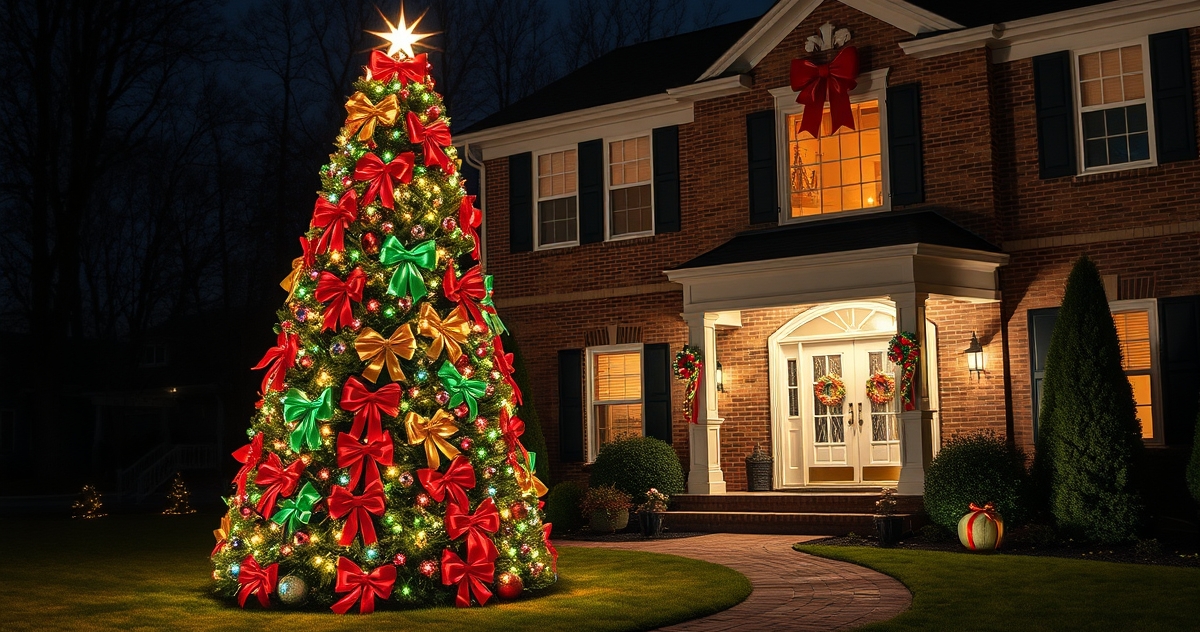
Colonial and Federal period homes (1650-1830) feature simple, symmetrical facades that respond beautifully to understated lighting design. Warm white C9 bulbs positioned along rooflines echo the soft glow of whale oil lamps, while avoiding the harsh brilliance that would appear anachronistic. Simple wreaths with matching warm white illumination complement the restrained elegance of Georgian doorways and Federal fanlights.
Victorian era homes (1840-1910) permit more elaborate lighting expressions. The ornate gingerbread trim and asymmetrical massing of Queen Anne cottages can accommodate cool white accent lighting that highlights architectural details. However, even these more decorative installations must respect the scale and proportion of original design elements.
The key principle across all periods is restraint. Historic district lighting should enhance rather than overwhelm architectural features. Professional designers trained in historic preservation understand that less is always more when working with buildings that possess inherent character and charm.
Modern LED technology actually supports historic preservation goals by reducing heat output that could damage delicate architectural elements like wooden shutters or painted trim. The longevity of LED bulbs also minimizes maintenance activities that might require ladders and equipment around sensitive historic facades.
Balancing Modern Efficiency with Traditional Aesthetics
Today's LED Christmas lighting technology offers unprecedented opportunities to achieve period-appropriate aesthetics while meeting contemporary efficiency standards. The warm color temperature of modern warm white LEDs closely matches the golden glow of historical gas and early electric lighting, creating authentic visual continuity.
Connecticut homeowners in historic districts increasingly choose LED versions of traditional bulb styles. C9 LED bulbs provide the classic large-bulb silhouette that defined American Christmas lighting for generations, while consuming 90% less energy than incandescent equivalents. This efficiency gain satisfies both environmental concerns and the practical demands of illuminating large historic properties.
The durability advantage of LED technology particularly benefits historic district installations. Traditional incandescent bulbs require frequent replacement, creating maintenance activities that can stress historic building materials. LED bulbs' 25,000-hour lifespan means installations remain stable for multiple seasons, reducing handling of delicate architectural elements.
Professional installers working in Connecticut historic districts increasingly recommend programmable LED systems that allow precise control over brightness and timing. These systems can dim lighting during late evening hours, respecting both neighborhood character and energy efficiency goals while maintaining the warm, welcoming ambiance that defines historic district streetscapes.
Municipal Coordination and Community Standards
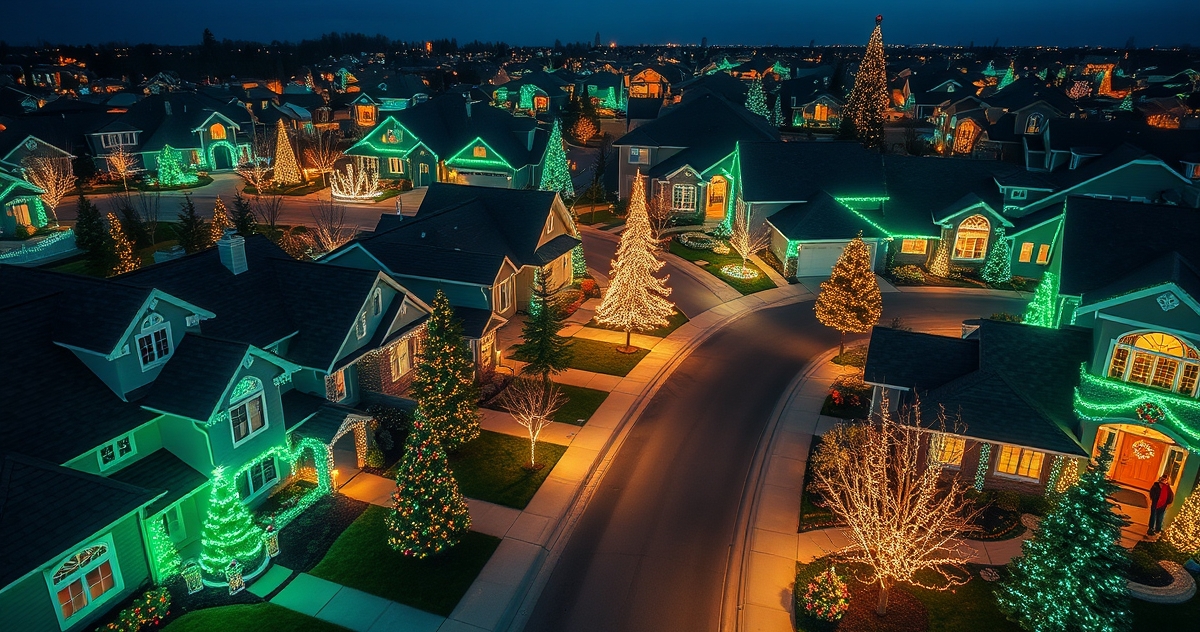
Connecticut's historic districts function as cohesive visual environments where individual property lighting decisions affect the entire neighborhood's character. Successful historic district lighting requires coordination between individual homeowners, historic commissions, and municipal planning departments.
The Village of Chester exemplifies this collaborative approach through their annual historic district lighting guidelines meeting. Property owners gather each October to review community standards and coordinate color schemes and installation timing. This coordination ensures that individual properties complement rather than compete with neighboring displays.
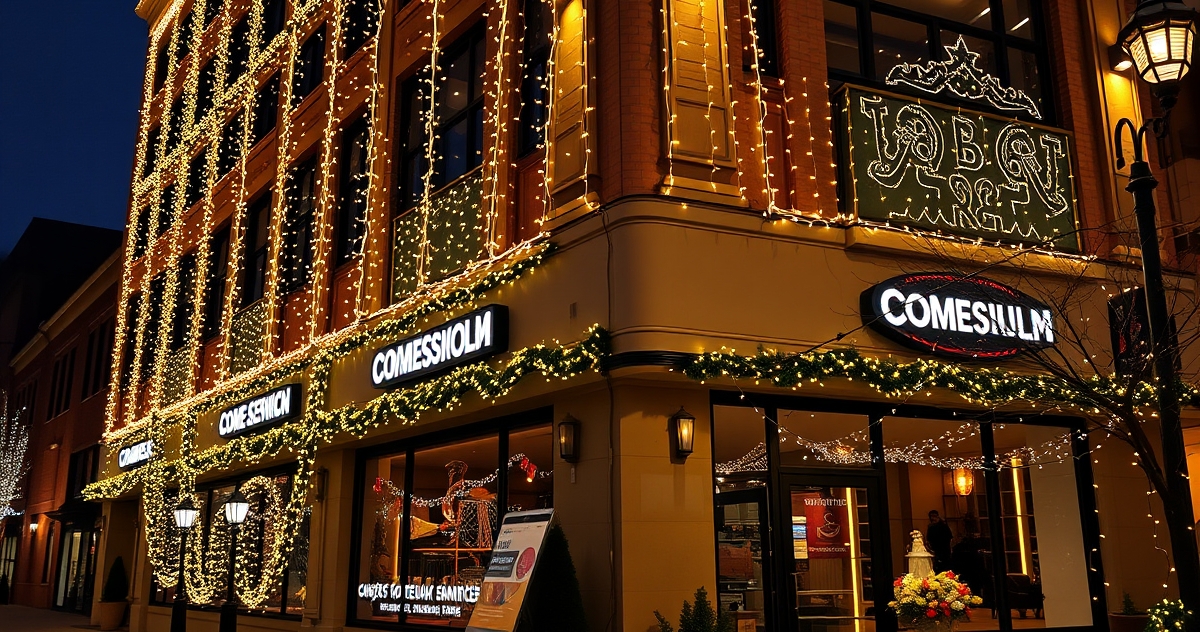
Commercial properties within historic districts face additional considerations regarding pedestrian safety and business visibility. The commercial lighting solutions developed for Connecticut's historic main streets must balance period authenticity with practical illumination needs for sidewalks and storefront access.
Municipal utility partnerships also play important roles in historic district lighting success. Many Connecticut towns negotiate group purchasing agreements for LED bulbs and fixtures, making high-quality period-appropriate lighting more accessible to individual property owners while ensuring visual consistency across district boundaries.
Professional Installation Considerations for Historic Properties
Historic buildings present unique installation challenges that require specialized expertise and careful planning. Connecticut's older structures often feature irregular rooflines, delicate trim details, and construction materials that demand modified installation techniques.
Professional installers working on 18th and 19th-century Connecticut homes understand that standard installation methods may not apply. Hand-hewn timber framing, slate roofing, and original window glazing require gentle handling and sometimes custom mounting solutions that avoid penetrating historic materials.
The residential installation services adapted for historic properties often incorporate removable mounting systems that attach to existing architectural elements without causing permanent alteration. These approaches satisfy historic commission requirements for reversibility while providing secure, weather-resistant lighting installations.
Insurance considerations also influence historic property lighting decisions. Many Connecticut homeowners in historic districts maintain specialized coverage that requires documented professional installation for exterior electrical work. Working with certified installers familiar with historic preservation standards helps ensure compliance with both insurance requirements and preservation guidelines.
Seasonal Adaptation and Year-Round Beauty
Historic district lighting extends beyond holiday seasons to encompass year-round accent and security illumination that respects period character. Connecticut's changing seasons offer opportunities to adapt lighting displays while maintaining consistency with historic district aesthetic standards.
Spring installations might feature simple wreaths with cool white illumination that complements blooming dogwoods and flowering shrubs without competing with natural beauty. Summer lighting can emphasize architectural details and create welcoming evening ambiance for historic district walking tours and community events.
The transition from Halloween to Christmas offers particular opportunities for creative historic district lighting. Professional designers understand how to modify installations gradually, maintaining visual harmony while adapting to seasonal celebrations that bring visitors and community members together in these special neighborhoods.
Custom design services specifically developed for historic properties can create signature lighting approaches that become annual traditions while respecting both architectural heritage and community character. These installations often inspire neighboring properties and contribute to district-wide aesthetic improvement.
Frequently Asked Questions
Do I need historic commission approval for holiday lighting in Connecticut historic districts?
Yes, most Connecticut historic districts require commission approval for exterior lighting installations, including temporary holiday displays. Requirements vary by municipality, so contact your local historic district commission for specific guidelines and application procedures. Professional installers familiar with historic preservation can help navigate the approval process.
What lighting colors work best with colonial and Federal architecture?
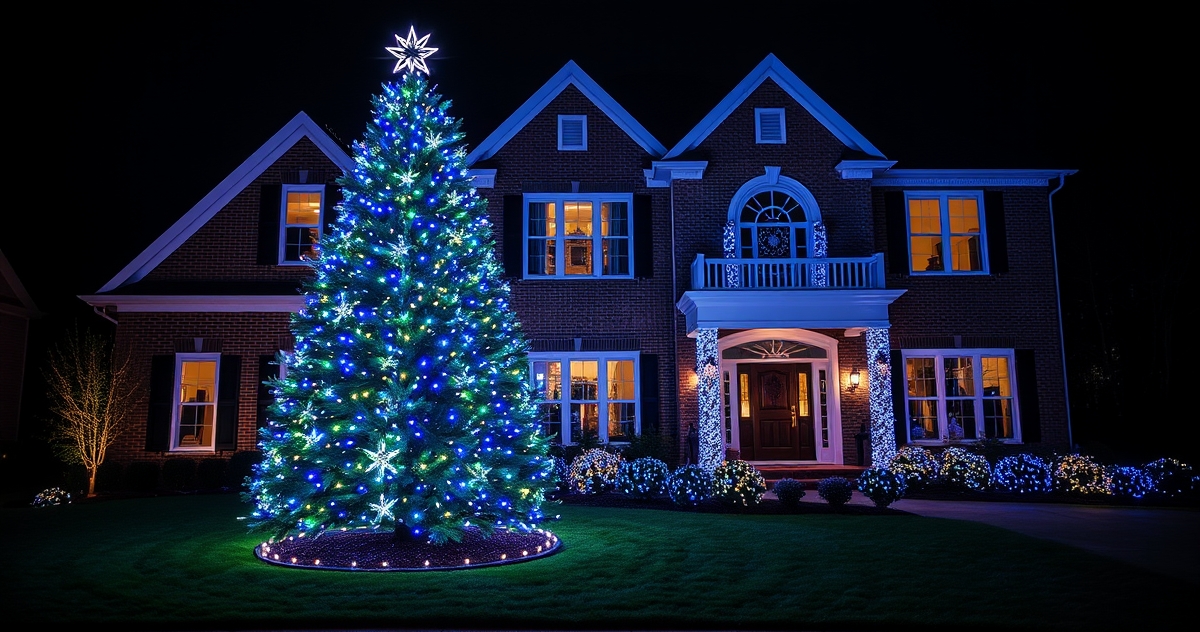
Warm white LED lights best complement colonial and Federal period architecture because they echo the golden glow of historical whale oil and early gas lighting. Cool white lights can appear too harsh against 18th and 19th-century building materials and proportions. Multicolor displays are generally discouraged in historic districts as inconsistent with period aesthetics.
Can LED lighting damage historic building materials?
LED lighting actually protects historic materials better than traditional incandescent bulbs because LEDs produce minimal heat and UV radiation. Professional installation that avoids penetrating historic surfaces and uses appropriate mounting techniques will not damage original building materials. Many historic preservation specialists actually recommend LED conversions for this reason.
How do I coordinate my lighting with neighbors in a historic district?
Many Connecticut historic districts hold annual coordination meetings where property owners discuss lighting plans and color schemes. Contact your historic district commission or neighborhood association about community coordination efforts. Professional lighting companies experienced in historic districts can also provide guidance on community-appropriate design choices.
Are there energy efficiency requirements for historic district lighting?
While historic districts primarily focus on visual compatibility, many Connecticut municipalities encourage energy-efficient LED lighting for environmental and practical reasons. LED technology allows historic-appropriate aesthetics with modern efficiency, satisfying both preservation goals and contemporary energy standards without compromising visual authenticity.
Connecticut's historic districts represent irreplaceable architectural heritage that deserves lighting treatments equal to their significance. Professional installation services that understand both preservation principles and modern lighting technology can create displays that honor the past while embracing practical innovation. Whether illuminating a colonial saltbox in Essex or a Victorian cottage in Kent, the right approach balances respect for history with the joy of seasonal celebration.