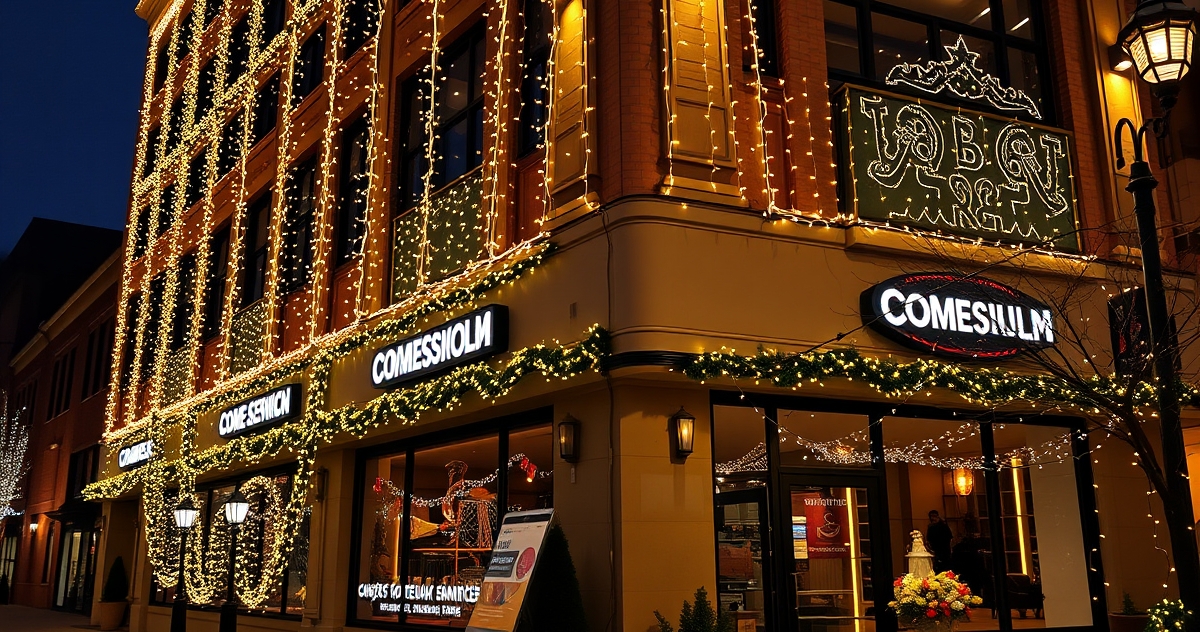
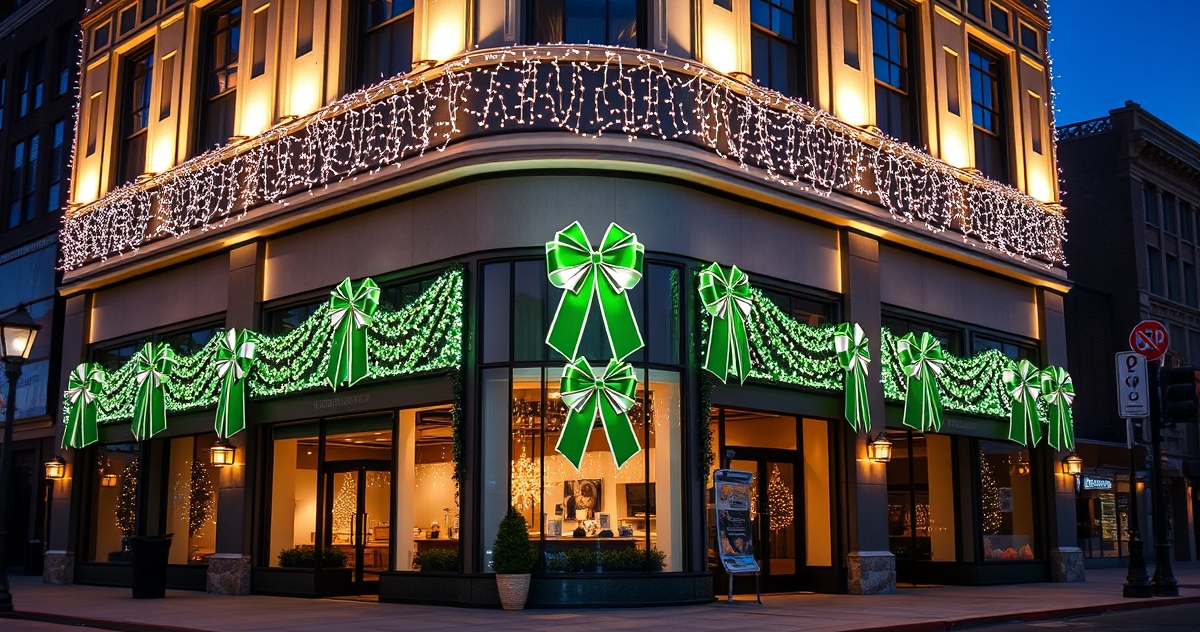
A shopper walking down a Connecticut main street in December stops mid-stride, pulled in by a glow they can't quite ignore. The window ahead isn't just lit—it's alive. Warm white mini lights trace the frame of the display, cool white accents illuminate the merchandise from behind, and a lush garland sweeps across the top like a finishing signature. That moment of pause? That's exactly what professional window display lighting is designed to create—and it's the difference between a passerby and a paying customer.
For Connecticut retailers, window displays are prime real estate. Whether you're operating a boutique on Greenwich Avenue, a gift shop in Mystic, or a specialty store in Simsbury, your storefront window is your loudest marketing voice during the holiday season. Getting the lighting right isn't just aesthetic—it's strategic. This guide breaks down the techniques, tools, and seasonal strategies that professional installers use to make retail windows shine.
Why Window Display Lighting Is a Revenue-Driving Investment
Retail studies consistently show that window displays influence purchasing decisions before customers ever walk through the door. During Connecticut's holiday season—which for many retailers stretches from late October through New Year's—the competition for foot traffic is fierce. Lighting is the single most powerful tool for drawing the eye and communicating brand energy at a glance.
The right window display lighting creates depth, highlights key merchandise, and sets an emotional tone. Warm white lighting evokes comfort and tradition, making it ideal for gift shops, home goods stores, and apparel boutiques. Cool white delivers a crisp, modern feel suited to electronics, jewelry, and contemporary fashion. Multicolor arrangements work beautifully for toy stores, candy shops, and any retailer whose brand leans playful and festive.
For retailers who want to see how coordinated commercial lighting transforms entire business districts, our post on Connecticut business districts and coordinated commercial lighting strategies offers broader context. And if you're exploring what a full commercial installation looks like, visit our commercial services page for a complete overview of what we offer Connecticut businesses.
Frame-and-Drape Techniques Using Mini Lights Behind Merchandise
The frame-and-drape method is the cornerstone of professional retail window lighting. The concept is straightforward: use mini lights to create a luminous backdrop or frame that makes merchandise appear to float forward visually. The execution, however, requires precision.
Start by outlining the window frame itself. LED mini lights in warm white are ideal for this application—they're small enough not to distract, bright enough to define the window's edges clearly from the street, and cool-running enough to use safely near fabric, paper, and other display materials. Run strands along the top and sides of the window interior, securing them with low-profile clips that won't damage trim or paint.
Next comes the drape layer. Position mini light strands behind and around merchandise rather than directly on it. The goal is backlighting and halo effects—a warm white glow that outlines products without washing them out or creating harsh shadows. For clothing displays, light placement slightly above and behind mannequins creates a flattering rim-light effect. For product tables or shelving, lights woven underneath sheer fabric or translucent panels create an even, diffused glow that photographs beautifully and reads clearly from the sidewalk.
To add dimension, layer cool white mini lights as secondary accents. Place them lower in the display or along the window sill to create a sense of depth. The interplay between warm white and cool white temperatures gives the display a professional, intentional quality that single-temperature setups can't achieve.
Our deeper dive into professional window display lighting techniques for Connecticut businesses covers additional layering strategies worth reviewing alongside this guide.
Avoiding Heat Buildup with LED Mini Lights in Enclosed Window Boxes
One of the most common and costly mistakes Connecticut retailers make is using traditional incandescent mini lights in enclosed or semi-enclosed window displays. In a sealed window box—especially one that receives direct winter sunlight during the day—heat accumulates rapidly. Incandescent bulbs can raise interior temperatures enough to damage merchandise, warp display materials, fade fabric colors, and in extreme cases, create a fire risk.
LED mini lights solve this problem almost entirely. LED technology produces roughly 80% less heat than incandescent bulbs while delivering equal or superior brightness. For enclosed window boxes, this isn't a preference—it's a professional standard.
When selecting LED mini lights for enclosed applications, look for UL-listed commercial-grade strands rated for continuous use. Consumer-grade lights are designed for short-duration decorative use and may not perform reliably in a retail environment where displays run 10 to 12 hours per day. Commercial-grade strands also feature more robust wire insulation and better moisture resistance, which matters in Connecticut's variable winter climate.
Ventilation is still worth considering even with LEDs. If your window box has any capacity for passive airflow—a small gap at the top or sides—use it. This prevents the modest warmth that LEDs do generate from accumulating over long operating periods. For displays that will run continuously through the holiday season, a simple plug-in timer that cycles lights off for a few hours in the early morning reduces cumulative heat exposure and extends bulb life significantly.
For Connecticut retailers committed to energy-efficient operation, our overview of the LED efficiency revolution in Connecticut holiday lighting explains the long-term cost benefits of switching to full LED systems.
Incorporating Garlands for Structure and Seasonal Texture
Mini lights handle luminance; garlands handle form. A well-placed garland transforms a flat, two-dimensional window display into something with visual weight and seasonal character. For Connecticut retailers, garlands are one of the most versatile and impactful display elements available.
The most effective window display garlands are pre-lit with integrated mini lights, which eliminates the need to weave separate light strands through foliage and creates a cleaner, more professional finished look. Warm white pre-lit garlands draped along the top of a window frame instantly establish a holiday context without overwhelming the merchandise. Cool white options work well for retailers pursuing a more contemporary or winter-minimalist aesthetic.
Garland placement follows a few reliable principles. A single swag across the top of the window creates a classic valance effect that frames the display without intruding into the product zone. Cascading garlands along the side panels add symmetry and visual height. For larger windows, layered garlands at different depths—one close to the glass, one further back near the merchandise—create the kind of dimensional layering that makes displays look intentionally designed rather than hastily assembled.
Maintenance matters as much as installation. Our guide on garland maintenance secrets for Connecticut displays covers the specific steps that keep garlands looking full and fresh through weeks of continuous display use. Visit our products page to explore the garland options we stock and supply for commercial installations.
Seasonal Refresh Strategies: Staying Fresh Without Full Reinstalls
Connecticut's retail holiday season spans multiple months, and a display that looked stunning on November 15th can look tired and stale by December 20th—right when customer traffic peaks. The solution isn't tearing down and starting over; it's building refresh capability into your initial setup.
The key is designing your display in modular layers. The structural layer—garland frames, perimeter mini lights, and backdrop lighting—stays in place for the entire season. This layer is your foundation, and once it's installed professionally, it shouldn't need adjustment. What changes are the accent and merchandise layers, which can be swapped out with minimal effort.
For accent lighting, consider keeping a set of multicolor mini light strands in reserve. Swapping out a section of warm white or cool white accents for multicolor strands in early December creates a visual shift that feels like a new display without requiring more than 30 minutes of work. Multicolor lighting reads as more energetic and festive, which aligns well with the high-energy final shopping weeks before Christmas.
Merchandise rotation is the second lever. Every two to three weeks, move featured products forward or backward in the display, introduce new items, and retire anything that's selling slowly. Because your lighting foundation remains consistent, the new merchandise immediately benefits from the same professional illumination without any reconfiguration.
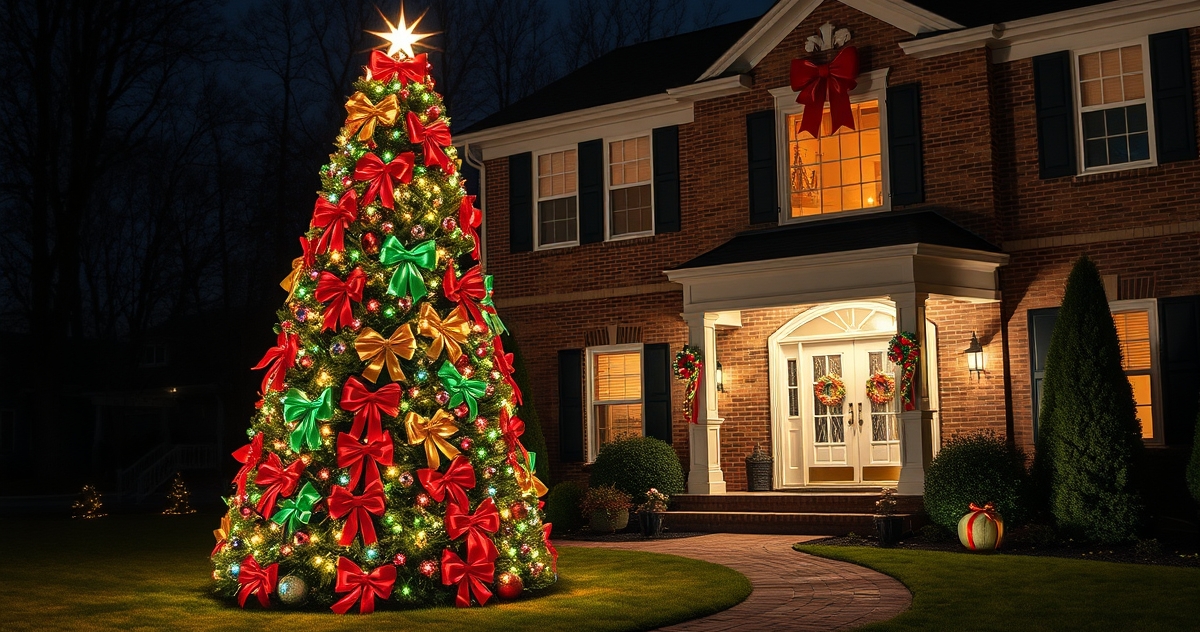
Garland accessories are the third refresh tool. Adding ribbon, bows, or small ornament clusters to an existing garland frame takes minutes and creates a noticeably different visual impression. Red velvet bows for early December, gold accents for the final holiday push, and silver-toned elements for the post-Christmas to New Year's stretch give your window a sense of evolving curation that keeps repeat visitors engaged.
For retailers who want to understand the full strategic value of fresh seasonal displays, our article on creative mini light applications beyond Christmas in Connecticut offers ideas for extending your investment into spring and beyond.
Frequently Asked Questions
What type of mini lights work best for enclosed retail window displays in Connecticut?
LED mini lights are the professional standard for enclosed window boxes. They generate significantly less heat than incandescent bulbs, reducing the risk of merchandise damage and extending display run times safely. Look for commercial-grade, UL-listed strands rated for continuous use. Warm white LEDs are most popular for traditional retail aesthetics, while cool white suits contemporary store designs.
How do I prevent my window display garlands from looking droopy or sparse midway through the season?
Proper installation is the first defense—use adequate mounting points so garlands maintain their shape without sagging. Throughout the season, mist real or high-quality faux garlands lightly and fluff the branches periodically to restore fullness. For garlands that integrate mini lights, check for any burned-out sections and replace strands promptly, since dark gaps break the visual cohesion of the display. Our garland maintenance guide has season-long care tips.
Can I run mini lights continuously for the entire holiday season without burning them out?
Commercial-grade LED mini lights are designed for extended operation, but using a programmable timer—set to run 10 to 12 hours per day and off overnight—meaningfully extends bulb and strand life. This also reduces electricity costs and heat accumulation in enclosed spaces. Consumer-grade strands are not designed for continuous operation and will fail faster under retail display conditions.
How many mini light strands do I typically need for a standard retail storefront window?
This depends on window size and the density of coverage you want. A standard 6-by-4-foot retail window using frame-and-drape technique typically requires 4 to 6 strands of 100-count mini lights for the perimeter frame and backdrop combined. Larger windows or displays with multiple merchandise levels may require 8 to 12 strands. A professional installer can assess your specific window dimensions and recommend the exact quantity needed for the visual result you want.
Is it worth hiring a professional installer for retail window display lighting, or is DIY sufficient?
For a single small window, a confident DIYer with the right materials can achieve decent results. For multi-window storefronts, enclosed display cases, or displays that need to run reliably through the entire Connecticut holiday season, professional installation is worth the investment. Professionals ensure proper electrical load management, use commercial-grade products, and build displays that stay looking fresh without constant attention—freeing you to focus on your customers.
Ready to Elevate Your Connecticut Retail Storefront?
A professionally lit window display isn't a luxury—it's a competitive advantage in Connecticut's busy holiday retail environment. From precise mini light framing to heat-safe LED solutions for enclosed display boxes and garland arrangements that evolve gracefully through the season, the right installation approach makes a measurable difference in how your store presents to the street.
Holiday Lights Decor Connecticut has been helping commercial clients across the state create standout displays since 2006. Our team understands retail timelines, brand aesthetics, and the specific challenges of Connecticut's winter climate. If you're ready to discuss a professional window display installation for your business, call us at (332) 333-1155 or contact us online to schedule a consultation. You can also request a free quote and explore our full range of commercial solutions at our commercial services page.