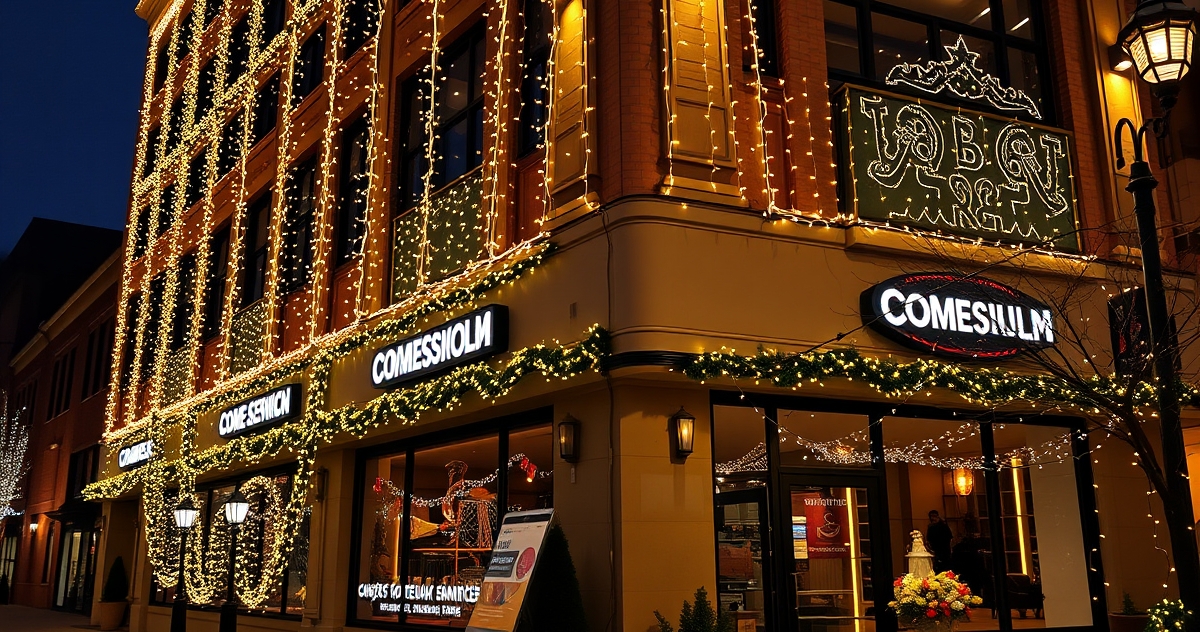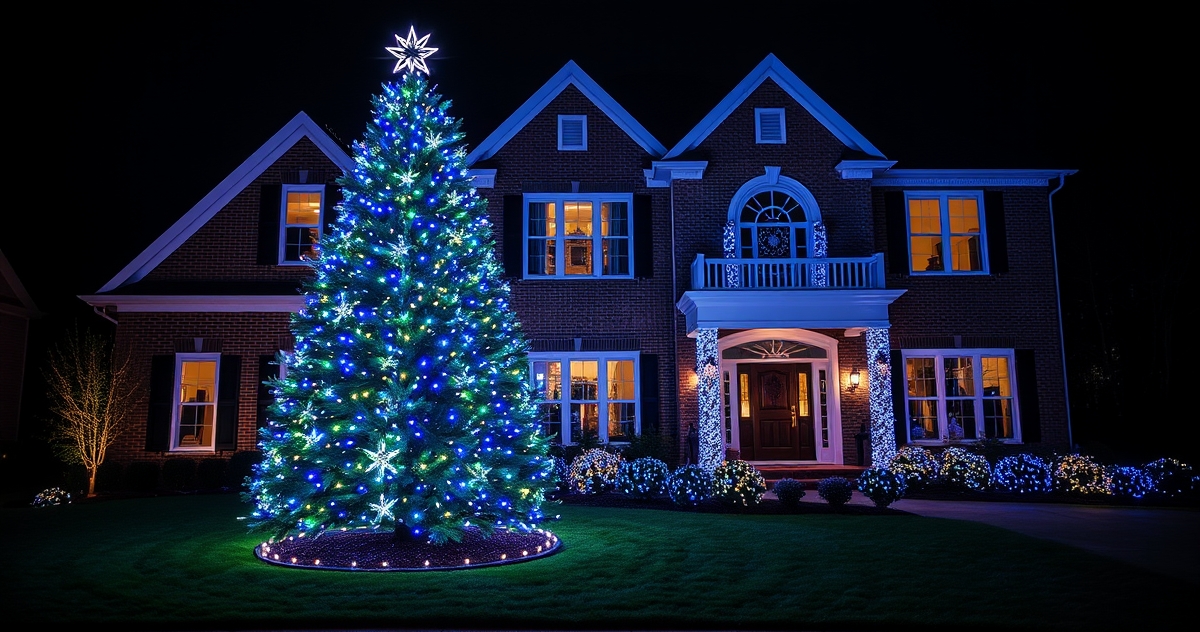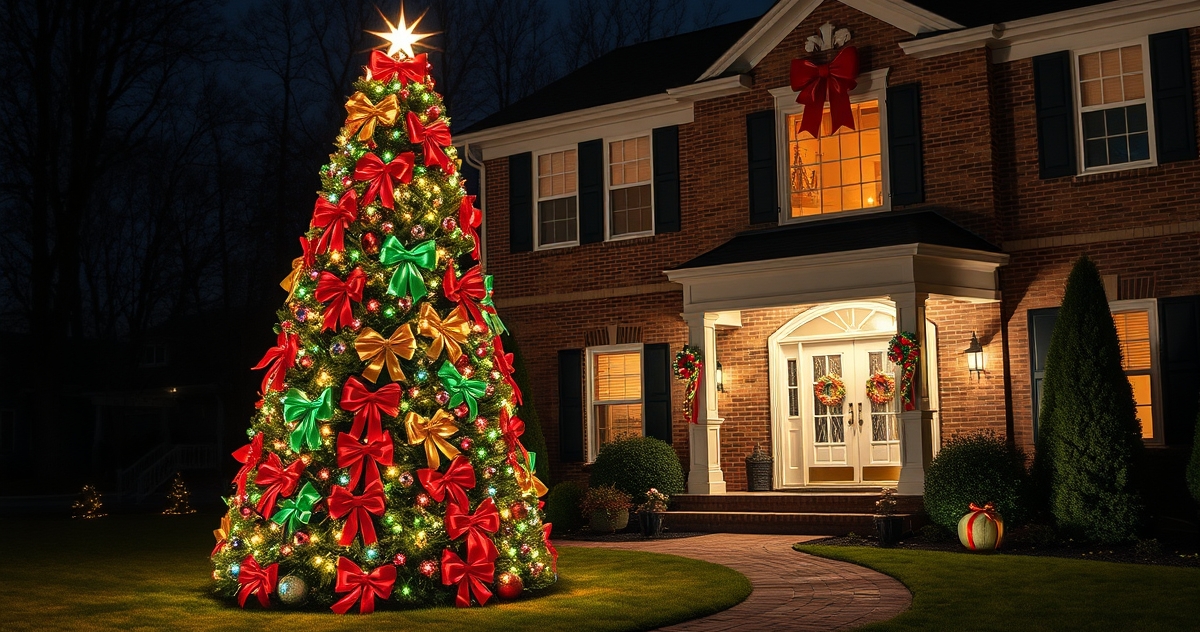
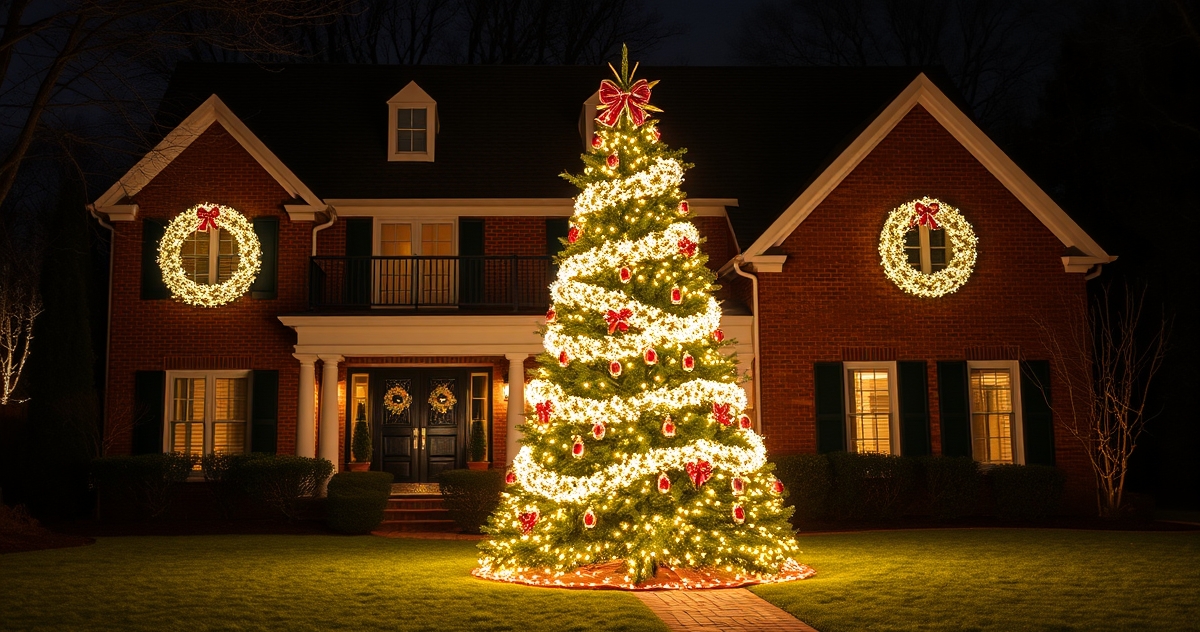
The first snowfall hits your Connecticut neighborhood, and suddenly every house looks the same—except yours. Your roofline glows with perfectly spaced warm white C9 LED bulbs, creating that iconic American Christmas silhouette that makes neighbors slow down as they drive past. This isn't luck or holiday magic; it's the result of professional roofline lighting installation using the right products and techniques.
Why C9 LED Bulbs Dominate Connecticut Rooflines
C9 bulbs have been the cornerstone of American Christmas decorating since the 1960s, but the LED revolution has transformed these classic bulbs for Connecticut's demanding climate. Unlike their incandescent predecessors, C9 LED bulbs consume 90% less energy while lasting 25 times longer—critical factors when your lights battle coastal storms, New England nor'easters, and temperature swings from 15°F to 70°F in the same December week.
The larger 1.25-inch bulb size creates visibility from street level that mini lights simply can't match. Whether you're illuminating a colonial in Greenwich or a contemporary in West Hartford, C9 bulbs provide the bold, architectural lighting that defines curb appeal during the holiday season.
Professional installers choose between warm white C9s for traditional elegance or cool white for modern, crisp lines. Warm white complements the honey-colored stone and brick common in Connecticut's historic districts, while cool white pairs beautifully with contemporary siding and metal roofing materials increasingly popular in Fairfield County.
The Science of Proper Gutter Clip Spacing
The difference between amateur and professional roofline lighting installation Connecticut comes down to one critical detail: gutter clip spacing. Most homeowners space clips randomly, creating an uneven, drooping appearance that screams DIY disaster. Professional installers follow the 18-inch rule for C9 installations.
Every 18 inches, a commercial-grade gutter clip secures the wire to your guttering system. This spacing prevents sagging between clips while ensuring each C9 bulb hangs at the perfect angle—straight down, not tilted. The result is a perfectly uniform line of light that follows your roofline's architectural details.
Connecticut's ice and snow loads require additional considerations. Professional installations include clips rated for 20-pound loads, accounting for ice accumulation on both the wire and bulbs. The clips themselves are UV-resistant polycarbonate or commercial-grade steel, designed to withstand Connecticut's freeze-thaw cycles without cracking or corroding.
Corner treatments require special attention. Inside corners need clips within 6 inches of the corner to prevent wire pullback, while outside corners require a clip directly on the corner point to maintain the architectural line. These details separate professional roofline lighting installation from well-intentioned amateur attempts.
Weather-Resistant Installation Techniques for Connecticut Climate
Connecticut weather tests every aspect of holiday lighting installation. From the salt spray along Long Island Sound to the lake effect snow in Litchfield County, your roofline lights face conditions that destroy inferior installations within weeks.
Professional installations begin with marine-grade wire connections. Every splice uses heat-shrink tubing and weatherproof wire nuts, creating connections that survive January's ice storms and March's freeze-thaw cycles. Standard twist-on wire nuts—common in DIY installations—allow moisture infiltration that leads to connection failures and potential safety hazards.
Proper wire routing prevents wind damage and ice accumulation. Professional installers route wires behind gutters and along fascia boards, securing them every 24 inches with UV-resistant zip ties or insulated staples. This technique eliminates the wire whipping that destroys connections during windstorms and prevents ice dams from forming on suspended wires.
Ground fault circuit interrupter (GFCI) protection is mandatory for all outdoor installations, but professionals take additional precautions. Outdoor-rated timers and controllers are housed in weatherproof enclosures, typically mounted on north-facing walls to prevent solar heat buildup that degrades electronic components.
LED vs. Incandescent: The Connecticut Climate Decision
Connecticut's variable climate makes the LED vs. incandescent decision crucial for long-term performance and cost control. While incandescent C9 bulbs create nostalgic warmth, they're increasingly impractical for serious roofline installations.
LED C9 bulbs operate efficiently in temperature ranges from -20°F to 120°F, covering Connecticut's entire seasonal spectrum. Incandescent bulbs dim significantly below 32°F and become fragile in extreme cold, leading to frequent replacements throughout the season.
Energy consumption tells the complete story. A typical Connecticut colonial requires 200 C9 bulbs for complete roofline coverage. Incandescent installation consumes 1,400 watts continuously, while LED installation uses just 140 watts. Over a 60-day season, this represents a $400 difference in electricity costs at Connecticut's current utility rates.
Heat generation affects both safety and longevity. Incandescent bulbs reach 300°F during operation, creating fire hazards when they contact accumulated leaves or debris. LED bulbs remain cool to the touch, eliminating this safety concern while preventing the thermal expansion that loosens clips and connections over time.
Professional installers stock replacement LED bulbs, but they're rarely needed. Quality C9 LEDs last 25,000-50,000 hours compared to 1,000-2,000 hours for incandescents. This longevity is particularly valuable for hard-to-reach roofline installations that require ladder access for maintenance.
Professional Installation Process and Timeline
Professional roofline lighting installation Connecticut follows a systematic process that ensures both safety and visual impact. The process begins with a design consultation where installers assess your home's architecture, existing electrical capacity, and aesthetic goals.
Site preparation includes cleaning gutters and checking fascia board integrity. Damaged guttering or loose fascia boards require repair before installation to ensure secure clip attachment. Professional crews carry basic repair materials to address minor issues during installation.
Installation typically requires one full day for average Connecticut homes. Two-person crews work systematically from one end of the house to the other, installing clips, routing wires, and testing connections before moving to the next section. This methodical approach prevents the connection errors common in rushed installations.
Final testing includes full-system checks under load, GFCI functionality verification, and timer programming. Professional installers provide written documentation of all electrical connections and include maintenance recommendations for the season.
Most Connecticut installations occur between mid-October and Thanksgiving, avoiding the harsh weather while allowing full seasonal enjoyment. Early scheduling ensures availability and prevents the rushed installations that compromise quality during peak demand periods.
Maintenance and Seasonal Care
Professional C9 LED installations require minimal maintenance, but Connecticut's climate demands attention to specific details. Monthly visual inspections identify loose clips, damaged wires, or bulb failures before they compromise the entire system.
Ice accumulation requires careful attention. Never attempt to remove ice from C9 installations—let natural melting occur. Forced ice removal can damage clips, pull wires from connections, or crack bulb housings. Professional installations account for ice loads, but aggressive removal attempts can exceed design limits.
End-of-season removal typically occurs in early January before harsh winter weather sets in. Professional crews carefully coil wires to prevent kinking and store bulbs in protective containers. Proper storage ensures installations look fresh each season rather than showing the wear common in amateur attempts.
For Connecticut homeowners considering permanent installation, professional crews can install permanent tracks and seasonal C9 connections. This approach eliminates annual installation while maintaining the flexibility to update colors or patterns each year.
Frequently Asked Questions
How much does professional roofline lighting installation cost in Connecticut?
Professional C9 roofline installation typically ranges from $8-15 per linear foot, depending on house complexity and electrical requirements. This includes design consultation, professional-grade materials, installation, seasonal removal, and storage. While higher than DIY costs, professional installation eliminates safety risks and ensures optimal performance throughout Connecticut's challenging winter weather.
Can I install C9 lights on gutters without damaging them?
Yes, when using proper commercial-grade gutter clips designed for your specific gutter profile. Professional installers carry clips for K-style, half-round, and custom guttering systems. Improper clips or installation techniques can damage gutters or create leak points, which is why professional installation is recommended for valuable guttering systems.
How long do professional LED C9 installations last in Connecticut weather?
Quality C9 LED installations professionally installed typically last 8-10 seasons with minimal maintenance. The LEDs themselves are rated for 25,000+ hours, while professional-grade clips and wiring withstand Connecticut's freeze-thaw cycles. Proper installation and storage between seasons maximize lifespan and maintain appearance.
What's the best time to schedule roofline lighting installation in Connecticut?
October through mid-November offers optimal installation conditions. Weather is typically mild, allowing safe roof access, while completing installation before Thanksgiving ensures full seasonal enjoyment. Early scheduling also guarantees availability, as professional installers book solid through December's peak demand period.
Do C9 LED lights work with existing timers and controllers?
Most quality C9 LED lights work with standard outdoor timers, but professional installation includes compatible controls optimized for LED loads. Older timers designed for incandescent loads may not function properly with LED's low power consumption. Professional installers specify appropriate controls during the design phase to ensure reliable operation.
Professional roofline lighting installation transforms Connecticut homes into seasonal showcases while ensuring safety and longevity. From proper gutter clip spacing to weather-resistant connections, the details matter when your installation faces New England's demanding climate. Ready to create that perfect roofline glow? Our experienced installation team brings decades of Connecticut expertise to every residential project, ensuring your home shines brightly all season long. Contact us for a custom design consultation and discover why Connecticut homeowners trust professional installation for their holiday lighting needs. Get started with your free estimate today.