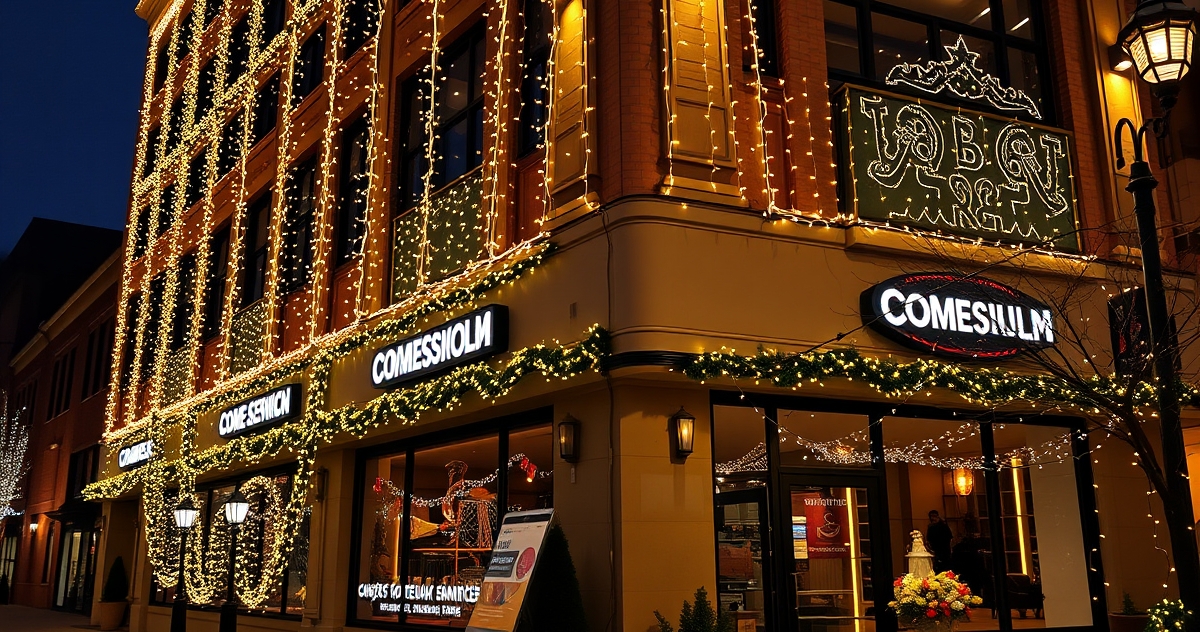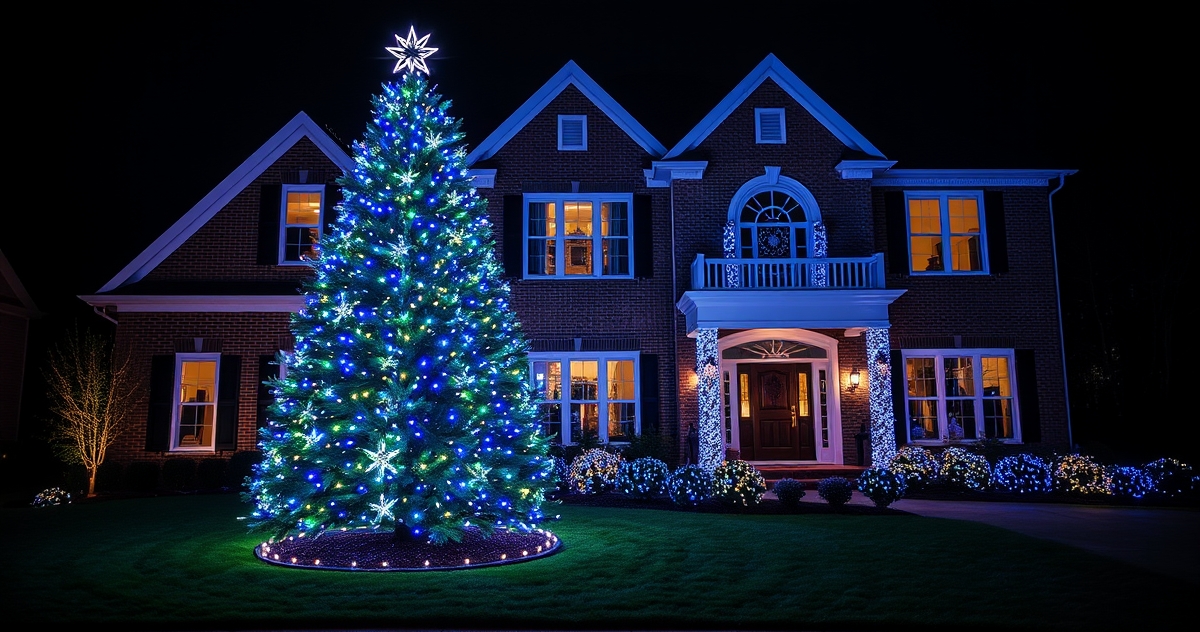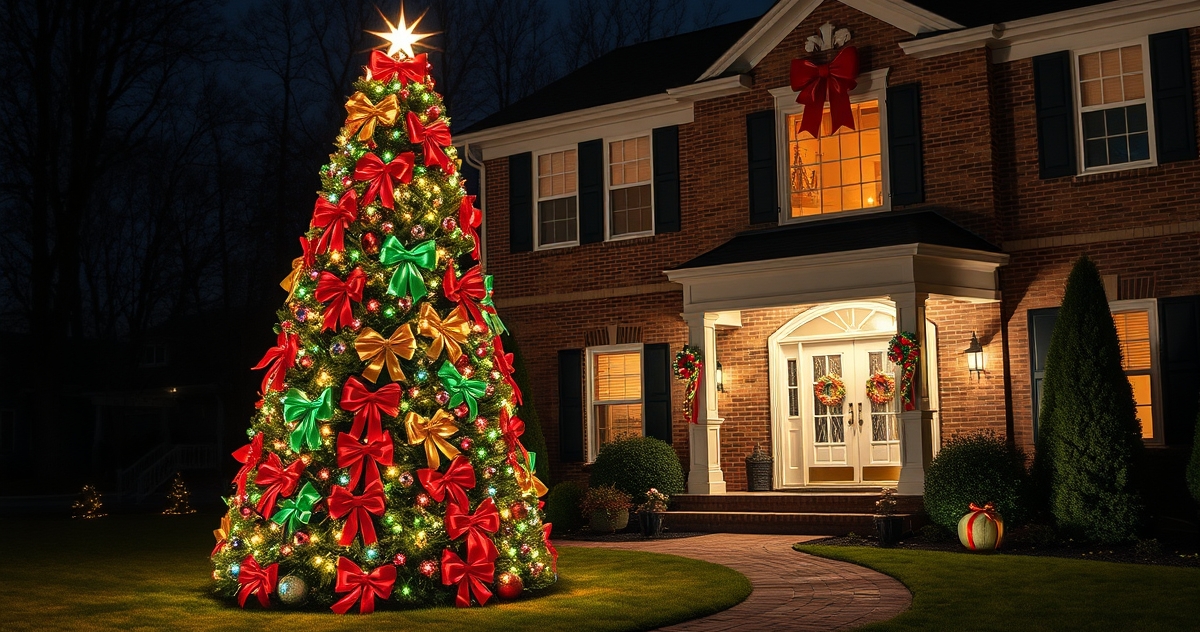
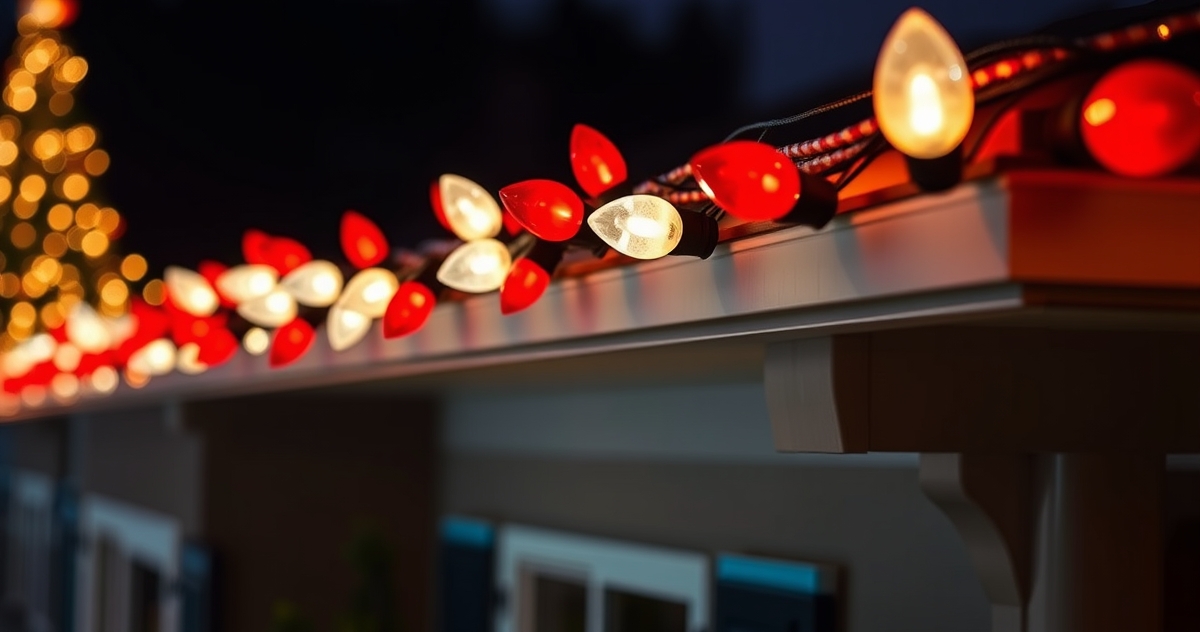
Picture driving through a Connecticut neighborhood on a December evening — the homes that truly capture your attention are those with perfectly chosen C9 bulbs creating bold, classic roofline displays. These iconic large Christmas bulbs have been the gold standard for outdoor holiday lighting since the 1940s, and choosing the right combination of color, style, and wattage can transform your home into the crown jewel of your street.
C9 Christmas bulbs represent the epitome of traditional American holiday lighting. Their substantial 1.25-inch diameter creates commanding presence along rooflines, while their distinctive shape evokes memories of childhood Christmases and Norman Rockwell paintings. But with dozens of color options, two major technology types, and various wattage considerations, selecting the perfect C9 setup requires insider knowledge.
Understanding C9 Bulb Basics: Size, Shape, and Socket
C9 bulbs get their name from their candelabra base size (E17) and their traditional conical "Christmas tree" shape. Unlike smaller mini lights that blend into landscapes, C9s make bold architectural statements. Each bulb measures approximately 1.25 inches in diameter and 2.5 inches in length, creating substantial visual impact even from considerable distances.
The magic happens in the spacing — properly installed C9s are typically spaced 8 to 12 inches apart along rooflines, creating that perfect rhythm of light that defines classic American Christmas displays. This spacing prevents overwhelming brightness while maintaining consistent illumination across your home's architecture.
Professional installers know that C9 socket quality matters tremendously. SPT-1 and SPT-2 wire ratings determine both safety and longevity, while proper weatherproofing ensures Connecticut's harsh winter conditions won't compromise your display. Quality C9 stringers use 18-gauge wire and commercial-grade sockets that maintain secure connections through freeze-thaw cycles.
LED vs Incandescent C9 Bulbs: The Complete Comparison
The choice between LED and incandescent C9 bulbs represents one of the most significant decisions in your holiday lighting investment. Each technology offers distinct advantages that appeal to different priorities and aesthetics.
LED C9 Advantages
LED C9 bulbs have revolutionized professional holiday lighting installations across Connecticut. Energy consumption drops dramatically — a typical LED C9 uses just 0.96 watts compared to 7 watts for incandescent versions. For a 200-bulb roofline display, this translates to roughly $15 in electricity costs for the entire season versus $110 for incandescent bulbs.
Durability represents another compelling LED advantage. Quality LED C9 bulbs last 25,000 to 50,000 hours compared to just 3,000 hours for incandescent versions. In practical terms, LED C9s can provide 15-20 seasons of reliable service, while incandescent bulbs typically require annual replacement of 10-20% of the display.
Color consistency remains superior with LEDs throughout their lifespan. Incandescent bulbs gradually dim and shift color as filaments age, creating patchy displays by season's end. LED C9s maintain consistent brightness and color temperature from installation through removal.
Incandescent C9 Character
Despite LED advantages, many Connecticut homeowners specifically choose incandescent C9 bulbs for their warm, nostalgic glow. Incandescent technology creates that familiar "Christmas warmth" through natural color rendering and slight heat output that can help melt light snow accumulation.
The filament glow provides organic light diffusion that many find more appealing than LED's directional output. Incandescent C9s also offer superior dimming capabilities for homeowners using timer controls or photocells to create graduated evening lighting effects.
Cost considerations favor incandescent bulbs initially — quality incandescent C9s cost $0.50-$1.00 each compared to $2.00-$4.00 for LED versions. However, replacement frequency and energy costs typically favor LED investments within two seasons.
Color Temperature and Psychology: Choosing Your Perfect Palette
Color selection transforms C9 displays from simple decoration into architectural enhancement that reflects your home's character and your family's personality.
Warm White C9 Bulbs
Warm white C9s (2700K-3000K) represent the most sophisticated choice for upscale Connecticut homes. This color temperature mimics traditional incandescent warmth while providing LED efficiency and longevity. Warm white creates elegant, timeless displays that complement both colonial and contemporary architecture.
Professional designers frequently specify warm white C9s for residential installations in affluent neighborhoods like Greenwich and Westport, where understated elegance takes precedence over bold color statements. Warm white also photographs beautifully for holiday cards and social media sharing.
Multicolor C9 Magic
Multicolor C9 displays celebrate Christmas joy with traditional red, green, blue, and amber combinations. This classic approach evokes 1950s neighborhood Christmas displays and appeals to families with young children who appreciate festive, welcoming lighting.
The key to successful multicolor C9 installations lies in intentional color sequence rather than random placement. Professional patterns might include alternating red-green-red-green, or more complex sequences like red-green-blue-amber that create sophisticated color rhythms along rooflines.
Red and Green Combinations
Pure red and green C9 combinations offer quintessential Christmas spirit without the complexity of multicolor displays. This two-color approach works exceptionally well on homes with neutral exterior colors — white, beige, or gray siding provides the perfect backdrop for bold red and green statements.
Strategic color placement matters tremendously. Many designers alternate colors evenly, while others create color blocks or emphasize architectural features with specific colors. Red C9s might highlight front-facing rooflines while green illuminates side elevations.
Wattage Considerations and Energy Planning
Understanding C9 wattage requirements ensures both electrical safety and optimal visual impact for your Connecticut home's holiday display.
Standard incandescent C9 bulbs consume 7 watts each, while LED versions range from 0.5 to 1.5 watts depending on brightness levels and manufacturer specifications. This dramatic difference affects both electrical planning and seasonal energy costs.
Electrical capacity becomes crucial for extensive displays. Most standard 15-amp household circuits can safely support approximately 180 incandescent C9 bulbs (1,260 watts) or 1,200 LED C9 bulbs before requiring additional circuits. Professional installers always calculate total wattage before installation to prevent circuit overloads.
Timer and control systems add additional considerations. Smart controllers, photocells, and animation controllers each consume small amounts of power that must be factored into total electrical load calculations. Commercial installations often require dedicated electrical services to support extensive C9 displays safely.
Installation Best Practices for Connecticut Weather
Connecticut's challenging winter weather demands specific installation techniques that ensure your C9 display survives nor'easters, ice storms, and temperature fluctuations between coastal and inland regions.
Proper clip selection makes the difference between professional results and amateur installations. All-in-one clips that secure both wire and bulb work best on standard shingle rooflines, while separate clips and stakes accommodate various architectural details. Stainless steel or high-grade plastic clips resist Connecticut's freeze-thaw cycles better than cheap alternatives.
Wire management prevents damage from ice accumulation and wind stress. Professional techniques include service loops at corners, proper strain relief at connection points, and strategic wire routing that accommodates thermal expansion. Quality installations account for metal roof expansion, gutter movement, and potential ice dam formation.
Electrical connections require weatherproof treatment suitable for New England conditions. Marine-grade wire nuts, electrical tape, and junction box protection prevent moisture infiltration that causes shorts, ground faults, and fire hazards. Many professionals apply dielectric grease to connections for additional moisture protection.
Maintenance and Storage for Maximum Lifespan
Proper maintenance and storage techniques can extend C9 bulb life significantly, protecting your investment while ensuring reliable performance season after season.
End-of-season bulb testing identifies failures before storage, allowing replacement purchases during off-season sales. LED C9 bulbs rarely fail completely but may experience color shifting or dimming that affects display uniformity. Systematic testing and documentation help track bulb performance over multiple seasons.
Storage methods dramatically affect bulb survival. Individual bulb dividers prevent mechanical damage, while climate-controlled environments prevent thermal shock. Many Connecticut homeowners store C9 displays in basement or garage areas where temperature remains relatively stable throughout spring and summer months.
Wire and socket maintenance prevents premature failures and safety hazards. Annual inspection of wire insulation, socket condition, and plug integrity catches problems before they become dangerous. Professional-grade wire typically lasts 10-15 years with proper care, while consumer-grade products may require replacement every 3-5 years.
For comprehensive guidance on proper storage and maintenance techniques, professional methods ensure your C9 investment provides years of reliable holiday magic.
Frequently Asked Questions
What's the difference between C9 and C7 Christmas bulbs?
C9 bulbs are significantly larger than C7 bulbs — 1.25 inches diameter versus 0.875 inches. C9s use E17 (intermediate) bases while C7s use E12 (candelabra) bases. C9 bulbs create more dramatic roofline displays and are visible from greater distances, making them ideal for larger homes and commercial applications.
How many C9 LED bulbs can I put on one circuit?
A standard 15-amp household circuit can safely support approximately 1,200 LED C9 bulbs (assuming 1 watt per bulb), compared to only 180 incandescent C9 bulbs. However, always consult local electrical codes and consider hiring professionals for extensive displays to ensure proper load calculations and safe installation.
Can I mix LED and incandescent C9 bulbs in the same display?
While technically possible, mixing LED and incandescent C9 bulbs creates noticeable differences in brightness, color temperature, and appearance that typically look unprofessional. LEDs produce more focused, cooler light while incandescents provide warmer, more diffused illumination. For best results, choose one technology consistently throughout your display.
How long do C9 Christmas bulbs typically last?
LED C9 bulbs last 25,000-50,000 hours (15-20 holiday seasons) while incandescent versions last approximately 3,000 hours (2-3 seasons with heavy use). LED longevity makes them cost-effective despite higher initial purchase prices, especially for homeowners planning multi-year installations.
What's the best way to test C9 bulbs before installation?
Test all C9 bulbs using a simple plug-in socket tester before installation. This identifies failed bulbs, allows color coordination, and prevents the frustration of discovering problems after installation. Professional installers test 100% of bulbs and maintain spare inventory in each color to address any failures discovered during setup.
Creating the perfect C9 Christmas bulb display requires balancing aesthetic vision with practical considerations like energy efficiency, weather resistance, and long-term value. Whether you choose the timeless elegance of warm white LEDs or the festive joy of multicolor incandescents, proper selection and installation ensure your Connecticut home becomes a neighborhood landmark throughout the holiday season. For professional C9 installation that maximizes both beauty and reliability, contact our experienced team to discuss your vision and receive expert guidance tailored to your home's unique architecture.