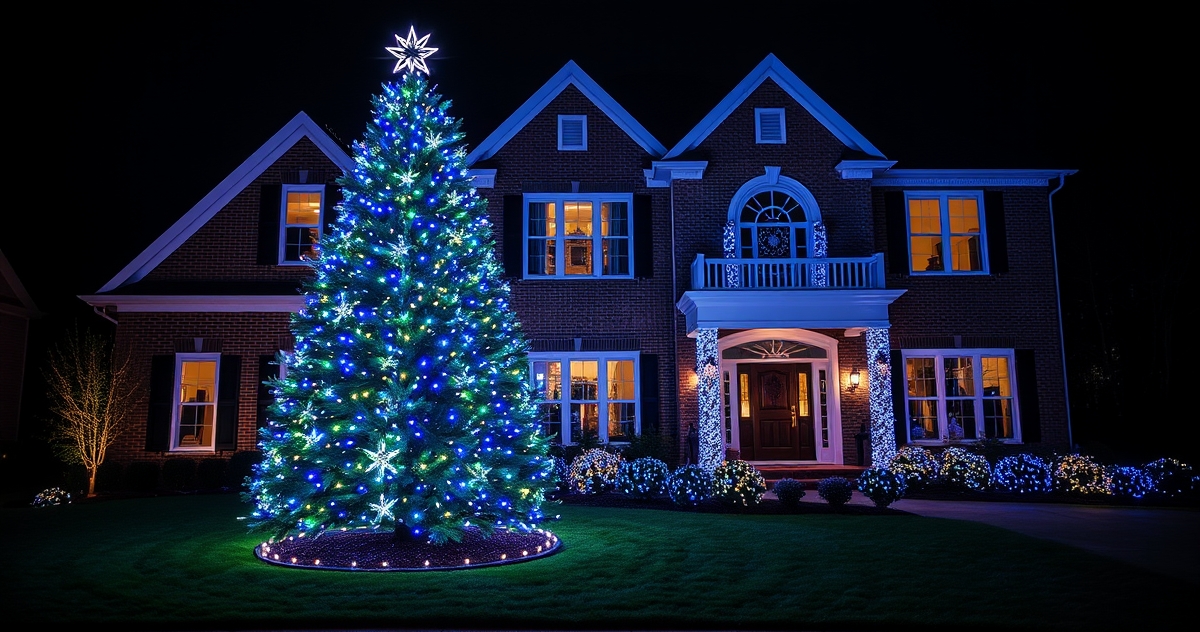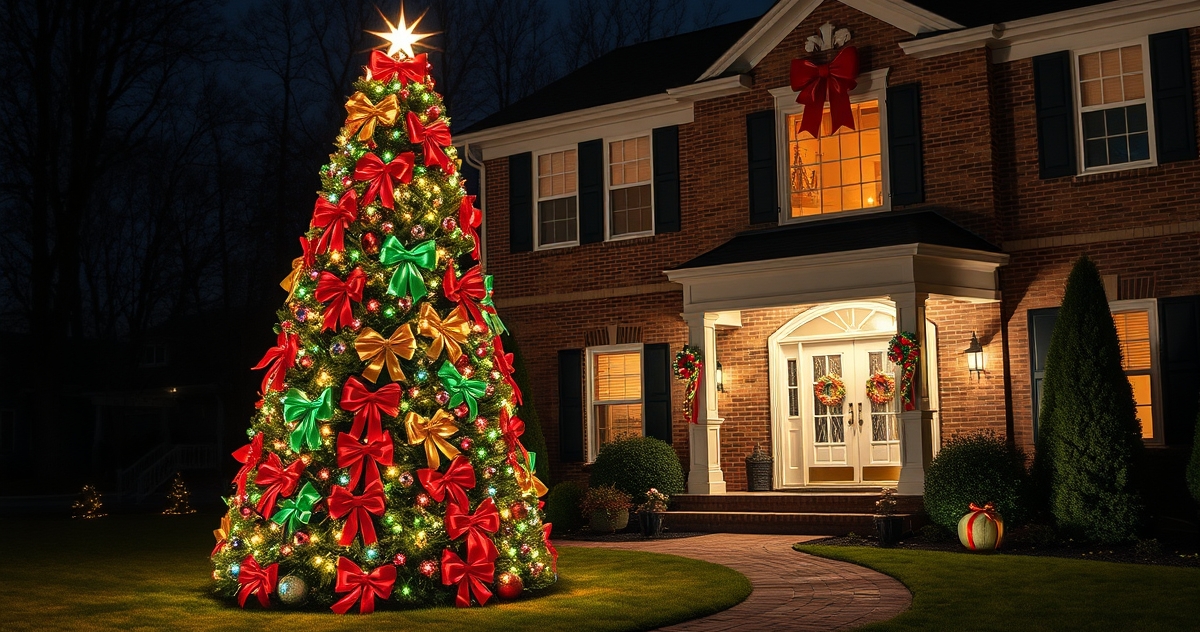

The front walkway to your Connecticut home sets the first impression for every visitor. Whether it's a tree-lined path in Greenwich or a colonial stone walkway in Litchfield, proper pathway lighting installation transforms ordinary walkways into stunning, safe passages that welcome guests year-round. Professional LED pathway lighting doesn't just illuminate—it elevates your entire landscape design while providing essential safety features for Connecticut's challenging weather conditions.
Ground-Level vs. Elevated Pathway Lighting: Choosing the Right Approach
Connecticut homeowners have two primary options for pathway lighting installation: ground-level fixtures and elevated lighting systems. Each approach offers distinct advantages depending on your landscape design, walkway materials, and aesthetic goals.
Ground-level pathway lighting involves installing fixtures directly along the walkway edges, typically 18-24 inches apart. These fixtures cast light downward and outward, creating pools of warm white illumination that guide footsteps safely along the path. For Connecticut's colonial and traditional homes, ground-level fixtures with warm white mini lights provide elegant definition without overwhelming the landscape's natural beauty.
Elevated pathway lighting takes a different approach, using existing landscape features like trees, posts, or architectural elements to position lights higher above the walkway. This technique often incorporates warm white C9 bulbs strung between lamp posts or mini lights wrapped around trees that overhang the path. Elevated lighting creates broader illumination patterns and adds dramatic depth to your landscape design.
Many Connecticut properties benefit from combining both approaches. Consider a curved walkway bordered by mature maples—ground-level fixtures can define the path edges while mini lights wrapped around the tree trunks provide overhead illumination and vertical interest.
Weather-Resistant Installation Techniques for Connecticut Conditions
Connecticut's climate demands pathway lighting installation techniques that withstand everything from coastal storms along Long Island Sound to inland ice storms and heavy snow loads. Professional installation focuses on three critical weather-resistance factors: fixture selection, wiring protection, and seasonal maintenance access.
All pathway lighting fixtures must carry appropriate IP (Ingress Protection) ratings for outdoor exposure. IP65-rated fixtures provide excellent protection against wind-driven rain and snow, while IP67-rated options handle temporary submersion during spring flooding or heavy storms. For Connecticut installations, we recommend fixtures with corrosion-resistant finishes that maintain their appearance through repeated freeze-thaw cycles.
Proper wiring installation is crucial for long-term reliability. All electrical connections require weatherproof junction boxes buried below Connecticut's frost line (typically 3-4 feet deep). Low-voltage LED systems reduce electrical hazards while providing ample illumination. Professional installations include GFCI protection and clearly marked shut-off switches accessible for seasonal maintenance.
Connecticut's variable weather also requires strategic fixture placement. Avoid locations where ice dams form, snow accumulates heavily, or seasonal runoff creates temporary water flow. Experienced installers account for your property's specific drainage patterns and microclimate conditions when positioning lights.
Solar vs. Hardwired Pathway Lighting: Making the Right Choice
Connecticut homeowners often debate between solar and hardwired pathway lighting systems. Each option offers distinct advantages, and the best choice depends on your specific location, budget, and performance expectations.
Solar pathway lights have improved dramatically in recent years, offering adequate illumination for basic safety needs. Modern solar units with warm white LEDs can provide 6-8 hours of operation after a full day's charging, even during Connecticut's shorter winter days. Solar systems eliminate trenching costs and electrical work, making them attractive for temporary installations or rental properties.
However, Connecticut's climate presents challenges for solar pathway lighting. Heavy snow can block solar panels for weeks, while overcast winter conditions limit charging efficiency. Deciduous trees that provide welcome summer shade can reduce solar performance significantly. Additionally, solar lights typically produce less lumens than hardwired systems, potentially compromising visibility during severe weather.
Hardwired LED pathway lighting delivers consistent, reliable performance regardless of weather conditions. Professional installation creates a permanent system that operates on command, provides superior brightness, and integrates seamlessly with your home's existing electrical systems. Hardwired systems also allow for sophisticated controls like timers, motion sensors, and smart home integration.
For most Connecticut properties, hardwired systems prove more reliable and cost-effective long-term. The initial installation investment pays dividends through consistent performance, reduced maintenance, and the ability to integrate with comprehensive residential lighting designs that include rooflines, landscaping, and architectural features.
Design Strategies for Connecticut Landscape Integration
Successful pathway lighting installation requires careful integration with Connecticut's diverse landscape styles. From coastal properties with salt-resistant plantings to inland estates with formal gardens, the lighting design must complement and enhance existing landscape elements.
For traditional New England colonial homes, warm white mini lights provide classic elegance without competing with architectural details. Position fixtures to highlight natural stone elements, existing plantings, and the walkway's material texture. Avoid over-lighting—subtle illumination that defines the path while preserving the landscape's nighttime character creates the most appealing results.
Contemporary Connecticut homes benefit from cleaner, more geometric lighting patterns. Linear LED fixtures with warm white output can emphasize modern hardscaping elements like concrete pavers, steel planters, or contemporary water features. Consider uplighting techniques that wash walls or architectural features while providing indirect pathway illumination.
Multi-level properties require careful planning to maintain visual continuity between different elevation changes. Steps, retaining walls, and terraced areas need specific attention to prevent shadows and ensure safe navigation. Professional installation often incorporates landscape lighting techniques that illuminate both the pathway and surrounding plantings for cohesive visual flow.
Professional Installation Process and Timeline
Professional pathway lighting installation follows a systematic process designed to deliver lasting results with minimal landscape disruption. Understanding this process helps Connecticut homeowners plan effectively and set realistic expectations.
The process begins with a comprehensive site evaluation that examines your walkway materials, drainage patterns, existing utilities, and landscape features. This assessment identifies potential challenges like underground utilities, irrigation systems, or soil conditions that might affect installation. Professional installers also evaluate your home's electrical capacity and determine the optimal connection points for new lighting circuits.
Design development follows the site evaluation, incorporating your aesthetic preferences with practical considerations like light spacing, fixture selection, and control systems. This phase often includes mockup installations or computer renderings to visualize the completed system. For Connecticut properties, designers account for seasonal changes in vegetation, snow removal patterns, and maintenance access requirements.
Installation typically requires 1-3 days depending on system complexity and walkway length. Professional crews minimize landscape damage through careful excavation techniques and immediate restoration of disturbed areas. All work includes proper permits when required and full electrical inspections to ensure code compliance.
The final phase includes system testing, timer programming, and homeowner education about operation and maintenance procedures. Professional installations include written warranties covering both materials and workmanship, providing peace of mind for your investment.
Maintenance and Seasonal Considerations
Connecticut's four-season climate requires specific maintenance strategies to keep pathway lighting systems performing optimally year-round. Professional maintenance programs address both routine upkeep and seasonal preparation needs.
Spring maintenance focuses on winter damage assessment and system recommissioning. This includes cleaning fixtures, checking connections, testing GFCI protection, and replacing any bulbs damaged by ice or debris. Spring is also ideal for adjusting timer settings to accommodate longer daylight hours and addressing any landscape changes that might affect lighting patterns.
Summer maintenance emphasizes vegetation management and performance optimization. Overgrown plantings can block light output or create unwanted shadows. Regular trimming keeps illumination patterns consistent while preventing plant damage from heat buildup around fixtures. Summer storms also require periodic inspection of connections and fixture alignment.
Fall preparation includes comprehensive system inspection before winter weather arrives. This involves checking all connections, securing loose fixtures, and adjusting timers for shorter days. Many Connecticut homeowners coordinate fall pathway lighting maintenance with holiday lighting installation to create comprehensive seasonal lighting schemes.
Winter maintenance focuses on snow and ice management. While LED systems generate minimal heat, accumulated snow can block light output and stress fixtures. Gentle removal techniques preserve both the lighting system and surrounding landscaping. Professional maintenance programs include emergency response for storm damage and seasonal adjustments to accommodate Connecticut's variable winter conditions.
Frequently Asked Questions
How much does professional pathway lighting installation cost in Connecticut?
Professional pathway lighting installation costs vary based on walkway length, fixture selection, and electrical requirements. Basic hardwired systems typically range from $150-300 per fixture installed, while comprehensive designs incorporating multiple lighting techniques may cost $2,000-5,000 for average Connecticut properties. Solar systems cost less initially but may require more frequent replacement. Professional consultation provides accurate estimates based on your specific requirements.
Can pathway lighting systems integrate with holiday decorating?
Yes, professional pathway lighting systems can seamlessly integrate with seasonal decorating. Permanent installations provide year-round functionality while serving as the foundation for holiday enhancements. Many Connecticut homeowners add warm white C9 bulbs or mini lights to existing pathway systems during the holidays, creating cohesive designs that transition beautifully between seasons.
How long do LED pathway lights last in Connecticut weather?
Quality LED pathway lights typically last 15-20 years in Connecticut conditions when professionally installed and maintained. LED technology handles temperature fluctuations, moisture, and UV exposure much better than traditional incandescent bulbs. Professional-grade fixtures with appropriate IP ratings and corrosion-resistant finishes provide the longest service life, making them cost-effective despite higher initial investment.
Do pathway lights require special permits in Connecticut?
Most residential pathway lighting installations don't require special permits in Connecticut, but electrical work must comply with local codes and may require inspection. Low-voltage LED systems (12V or 24V) typically have fewer permitting requirements than line-voltage installations. Professional installers handle all permitting requirements and ensure code compliance, protecting homeowners from potential liability issues.
What's the best time of year to install pathway lighting in Connecticut?
Late spring through early fall provides optimal conditions for pathway lighting installation in Connecticut. This timing allows for easier excavation, better working conditions, and immediate enjoyment of the completed system. However, professional installers work year-round and can accommodate emergency installations or urgent safety needs regardless of season.
Professional pathway lighting installation transforms Connecticut walkways into safe, beautiful passages that enhance your property's value and curb appeal year-round. From ground-level mini lights that guide footsteps safely to elevated warm white C9 displays that create dramatic landscape interest, the right lighting system provides both practical benefits and aesthetic enhancement. Contact our Connecticut lighting specialists to discuss your pathway lighting goals and discover how professional installation can illuminate your home's unique character while ensuring safe passage through every season.