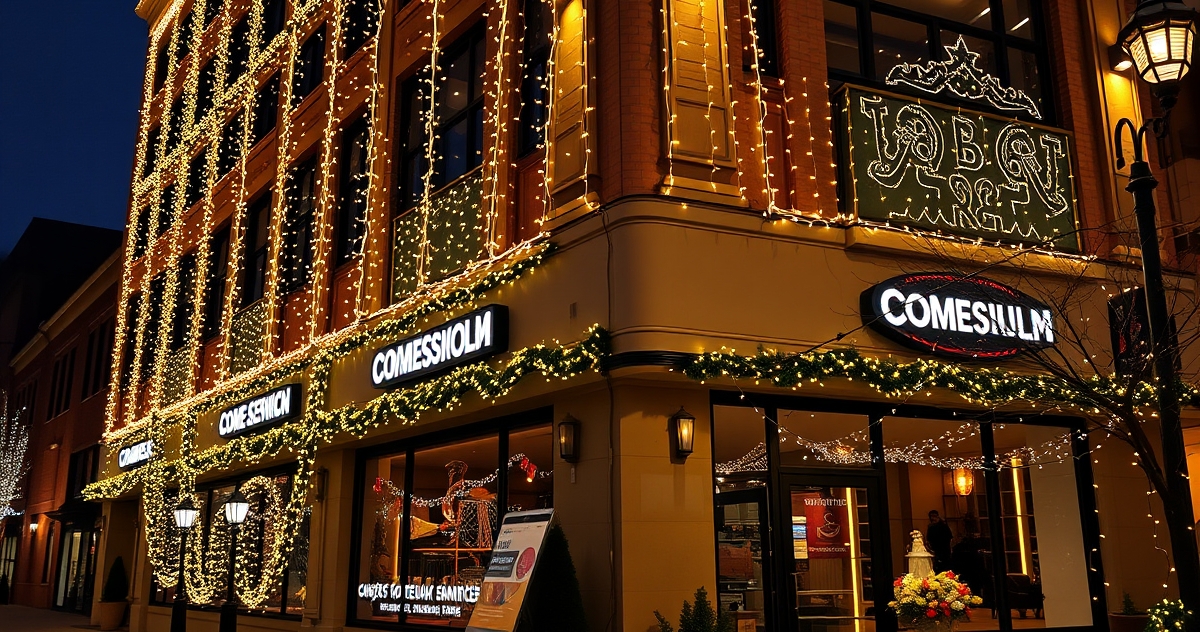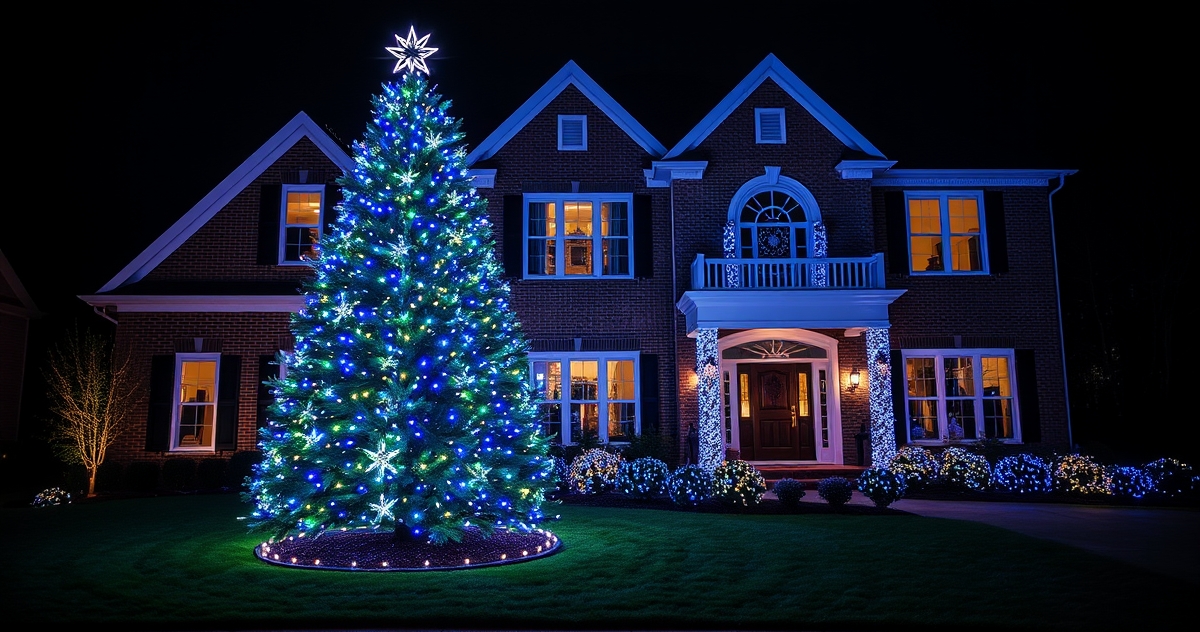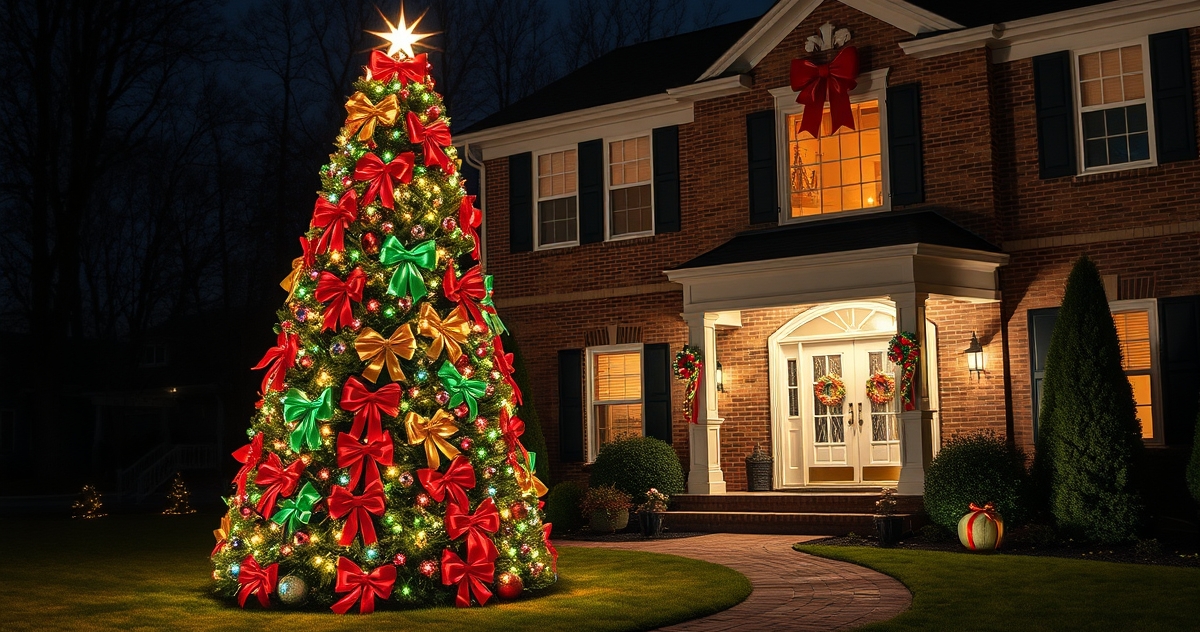
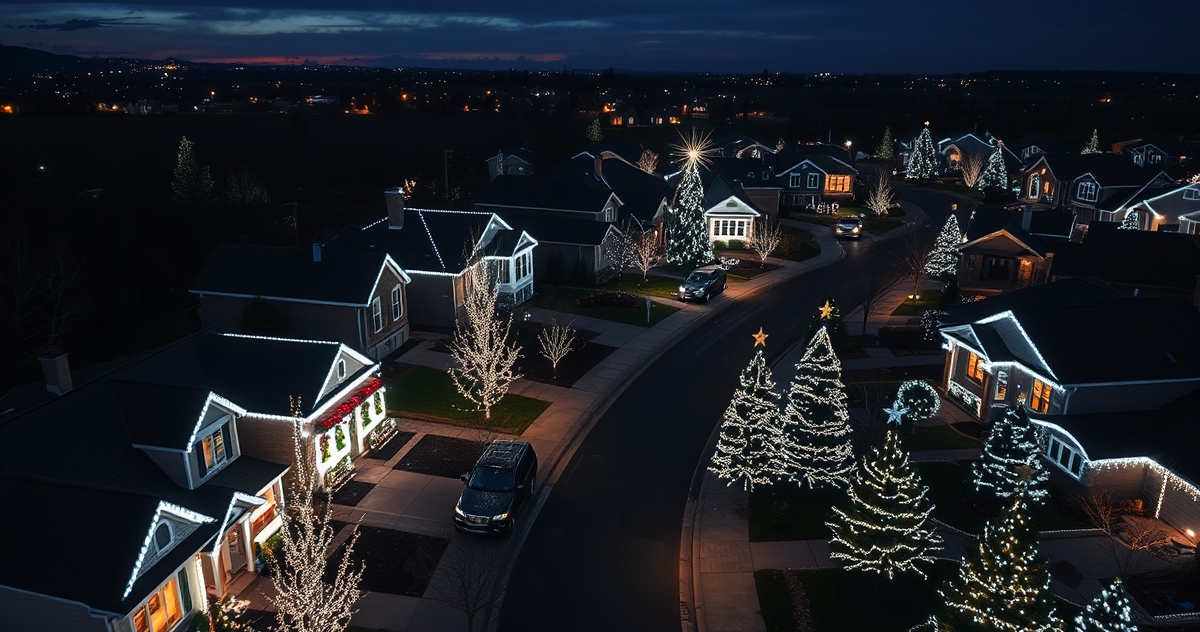
The frosted boxwoods flanking your Connecticut colonial gleam with cool white mini lights, each branch perfectly wrapped to showcase the natural architecture of your landscaping. This isn't amateur hour string-tossing — this is professional bush shrub lighting installation that transforms your property into a winter masterpiece while protecting every precious plant.
Professional bush and shrub lighting requires more than simply wrapping lights around branches. It demands understanding plant biology, Connecticut's harsh weather patterns, and the precise techniques that create stunning displays without damaging your valuable landscaping investments.
Understanding Connecticut Shrub Varieties for Lighting Installation
Connecticut's diverse climate supports numerous shrub varieties, each requiring specific lighting approaches. Evergreen shrubs like boxwood, yew, and juniper maintain their structure year-round, making them ideal candidates for mini light installations. These hardy New England natives can support the weight of properly installed lighting systems throughout the brutal Connecticut winters.
Deciduous shrubs present unique challenges. Burning bush, spirea, and hydrangea lose their leaves, exposing the entire lighting structure. For these varieties, focus on branch architecture rather than foliage coverage. The bare branches create elegant silhouettes when outlined with green and white mini lights, particularly effective against fresh Connecticut snowfall.
Consider your shrub's mature size and growth pattern. Dwarf varieties require different spacing techniques than their full-sized counterparts. Foundation plantings near your home's entrance deserve extra attention — these are the first elements visitors notice as they approach your front door.
Professional Mini Light Wrapping Techniques
The foundation of professional bush shrub lighting installation lies in proper wrapping technique. Start from the base of the shrub, securing the first connection point with weatherproof clips rather than staples or nails that damage bark. Work in a spiral pattern, maintaining consistent spacing between each wrap — typically 4-6 inches for dense coverage, 6-8 inches for accent lighting.
For boxwood and similar compact evergreens, use the "branch following" method. Trace each major branch with your mini light strand, allowing the lights to nestle naturally within the foliage. This creates depth and prevents the flat, "wrapped package" appearance common with amateur installations.
Taller shrubs like arborvitae require the "layer technique." Install lights in horizontal layers, starting at the bottom and working upward. Each layer should be slightly recessed from the one below, creating a natural cone shape that follows the shrub's natural growth pattern.
For spreading shrubs like juniper, employ the "web pattern." Create a loose network of lights that follows the plant's natural branching, allowing individual branches to move with Connecticut's winter winds without stressing the electrical connections.
Plant Protection During Installation
Connecticut's valuable landscaping deserves protection during lighting installation. Never drill into living wood or use metal fasteners that create permanent wounds. Ice and snow expansion can turn small holes into major damage points, potentially killing branches or creating entry points for disease.
Use only plastic clips designed for outdoor lighting installation. These clips grip branches without penetration and expand and contract with temperature changes. Position clips at natural branch joints where possible — these are the strongest points and least likely to suffer damage from wind movement.
Avoid excessive weight on branch tips. Mini lights are lightweight, but Connecticut's ice storms can add significant load. Concentrate light density toward the shrub's center where branches are thicker and stronger. This also creates better light distribution and prevents the "Christmas tree lot" look of overlighting.
Time your installation for optimal plant health. Install lights after the first hard frost when plants have entered dormancy but before extreme cold makes branches brittle. Late October through mid-November provides the ideal window in Connecticut.
Connecticut Weather Considerations
Connecticut's coastal storms, nor'easters, and temperature swings demand robust installation techniques. Use only commercial-grade mini lights rated for outdoor use. LED options perform better in cold temperatures and consume less energy — crucial when running extensive displays throughout the long Connecticut winter.
Plan for ice accumulation. Our region's infamous ice storms can add substantial weight to any installation. Create relief points in your lighting layout — spots where lights can shift or move without breaking connections. This prevents the domino effect that can destroy an entire display.
Wind protection requires strategic thinking. Position your most elaborate displays where they're sheltered from prevailing northwest winds. Use the natural windbreak of your home's architecture to protect more delicate installations on tender plants.
Consider Connecticut's variable winter temperatures. The constant freeze-thaw cycles are harder on electrical connections than steady cold. Ensure all connections are weatherproofed and elevated above potential puddle zones.
Design Principles for Professional Results
Professional bush shrub lighting installation follows landscape design principles. Create visual flow between planted areas using consistent light colors and spacing. Cool white mini lights provide crisp, modern appeal that complements Connecticut's architectural heritage, while green and white combinations offer traditional Christmas charm.
Layer your lighting effects. Combine tree wrapping techniques with shrub lighting to create depth and visual interest. The interplay between vertical tree elements and horizontal shrub masses creates professional-quality displays that rival high-end commercial installations.
Use shrub lighting to define spaces and guide movement. Light the foundation plantings to frame your home's entrance, then extend the display along walkways and property boundaries. This creates cohesion and draws visitors naturally toward your front door.
Consider sight lines from both street view and interior windows. Your display should look spectacular from the curb while also providing beautiful views from inside your home. Position key focal points where they're visible from your most-used interior spaces.
Integration with Overall Lighting Design
Professional bush shrub lighting works best as part of a comprehensive display strategy. Coordinate with roofline C9 installations and pathway lighting systems to create unified, sophisticated displays.
Scale your shrub lighting appropriately. Large properties can handle more dramatic installations, while smaller yards benefit from subtle accent lighting that enhances rather than overwhelms. The goal is enhancement of your existing landscape architecture, not replacement of it.
Think beyond December. Many of our Connecticut clients appreciate year-round mini light installations for entertaining and security. Design your bush lighting with potential seasonal transitions in mind.
Maintenance and Seasonal Care
Professional installations require minimal maintenance when properly executed, but Connecticut's weather demands periodic attention. Check connections monthly during active display periods, particularly after major storms. Look for loose clips, damaged wires, or signs of ice damage.
End-of-season removal requires the same care as installation. Remove lights during mild weather when branches are flexible. Coil each strand carefully and inspect for damage before storage. Quality mini lights should last multiple seasons with proper care.
Document your installation with photos and notes. Professional installers maintain detailed records of successful layouts, clip locations, and problem areas. This information proves invaluable for future installations and helps refine techniques for specific plant varieties.
Frequently Asked Questions
How many mini lights do I need for average-sized foundation shrubs?
Plan for 100-150 lights per linear foot of shrub width for full coverage. A typical 3-foot wide boxwood requires 300-450 mini lights. Dense evergreens need more lights for proper coverage, while sparse or deciduous shrubs need fewer. Always buy 25% more lights than calculated to account for natural shrub irregularities.
Will mini lights damage my expensive landscaping plants?
Properly installed mini lights cause no plant damage when using appropriate clips and techniques. Avoid drilling, nailing, or using metal fasteners. LED mini lights generate minimal heat and won't burn foliage. The key is gentle installation that works with the plant's natural structure rather than fighting it.
Can I install bush lighting myself or should I hire professionals?
Simple installations on small shrubs can be DIY projects, but extensive displays or valuable landscaping benefit from professional installation. Professionals have the tools, experience, and insurance to handle complex installations safely. Consider the value of your plants, the complexity of your design, and the time investment required.
What's the best time to install mini lights on shrubs in Connecticut?
Late October through mid-November provides optimal installation conditions in Connecticut. Plants are dormant but not yet brittle from extreme cold. Avoid installation during active growth periods or when branches are frozen and fragile. Professional installers can work in colder conditions with proper equipment.
How do I prevent ice damage to my shrub lighting display?
Use flexible installation techniques that allow for expansion and movement. Create relief points where lights can shift without breaking connections. Choose LED lights for better cold weather performance and avoid overloading branch tips. Professional installations include ice protection strategies specific to Connecticut's weather patterns.
Transform your Connecticut property with professional bush shrub lighting installation that protects your valuable landscaping while creating stunning winter displays. Our residential lighting specialists understand the unique challenges of New England weather and the specific needs of Connecticut plant varieties. Contact us today to discuss your shrub lighting project and discover how professional installation techniques create displays that enhance your property's beauty throughout the holiday season.